Why AI Struggles With the Human Genome's Messy Reality
The Benchmark Trap We’ve Been Ignoring
We noticed that recent advances in AI biology have been heavily reliant on clean, curated datasets that look nothing like real-world genetic complexity. A new analysis from Wired points out that while models like AlphaFold nailed protein structures, they stumble when faced with the messy, non-linear nature of actual genomes. This isn’t just a minor accuracy dip; it’s a fundamental mismatch between how we train these systems and how DNA actually behaves in living cells. The industry has been celebrating wins on simplified problems while ignoring the convoluted regulatory networks that define human health.
Data Scarcity Is The Real Bottleneck
What stood out to us is that the primary constraint isn’t compute power or algorithmic architecture, but rather the lack of high-quality, labeled genomic data. Unlike image recognition, where we have billions of tagged photos, genomics suffers from sparse, noisy, and highly variable data points. Researchers are trying to force linear predictions onto non-linear biological systems, which leads to hallucinations that can be dangerous in clinical settings. We need to stop treating genome sequencing as a simple pattern-matching exercise and start acknowledging its inherent stochasticity.
Non-Linear Biology Defies Linear Models
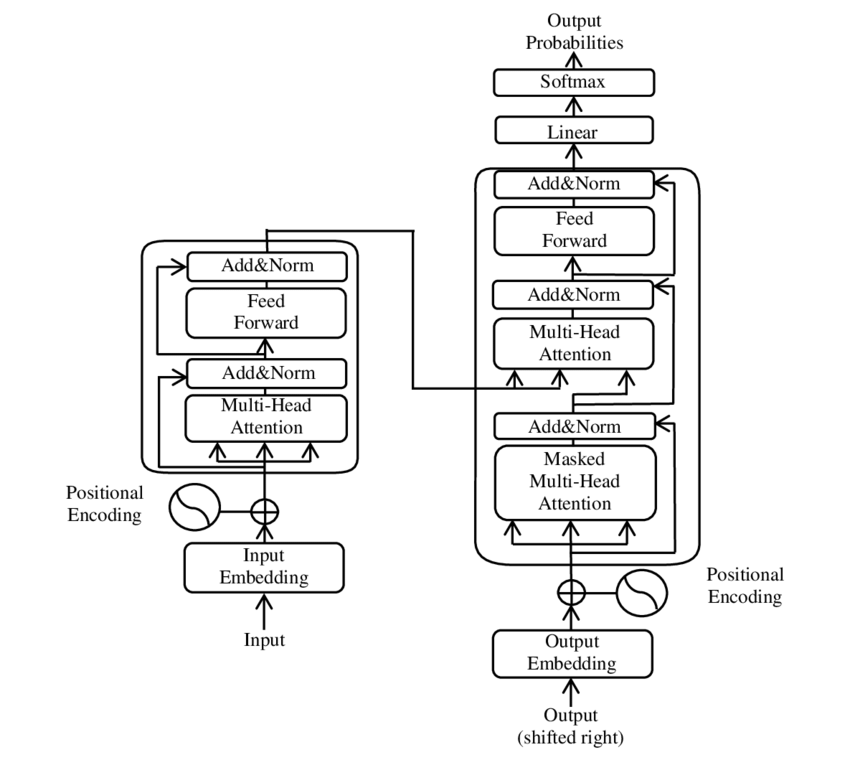
Most current AI architectures assume a degree of linearity or independence that simply doesn’t exist in epigenetic regulation. Genes don’t just turn on and off like switches; they interact in complex feedback loops that change over time and context. When we apply standard transformer models to this, we miss the temporal and spatial dynamics that drive disease progression. This limitation means our predictive tools for personalized medicine are currently more akin to educated guesses than precise forecasts, especially for polygenic traits.
The Clinical Risk Of Overconfidence
The danger here isn’t just academic; it’s about deploying these tools in healthcare before we understand their failure modes. If an AI model confidently predicts a gene variant’s impact based on flawed assumptions, it could lead to misdiagnosis or ineffective treatment plans. We saw similar risks emerge with early diagnostic AI in radiology, where edge cases were dismissed as outliers. In genomics, those outliers are often the key to understanding rare diseases, yet current models tend to smooth them out rather than investigate them.
Synthetic Data Won’t Save Us Here
Some teams are suggesting using synthetic data to bridge the gap, but that approach misses the point entirely. Synthetic data generated by current models will just reinforce existing biases and errors, creating a feedback loop of inaccuracy. We need real-world longitudinal data that captures how genomes change across lifespans and environments. Without this, any model trained on static snapshots will fail to capture the dynamic essence of biological aging and disease onset. It’s a classic case of solving the wrong problem with better tools.
A Shift Toward Hybrid Approaches
The interesting part isn't that AI fails, but that the solution likely involves hybrid models combining mechanistic understanding with machine learning. Pure data-driven approaches hit a wall when data is scarce, so we must integrate known biological rules into the neural network architectures themselves. This mirrors the shift we saw in physics-informed neural networks for climate modeling, where domain knowledge constrained the AI’s search space. For genomics, this means building models that respect biological plausibility rather than just optimizing for statistical correlation on test sets.
What This Signals For The Next Quarter
In the next two to three months, expect a cooling of hype around direct-to-consumer genetic AI tools. Investors and clinicians are starting to ask harder questions about validation standards, and this report provides the ammunition for skepticism. Companies that promised breakthroughs in personalized nutrition or ancestry prediction via AI will face increased scrutiny. We’re seeing a pivot toward transparency reports that detail error rates on complex variants, moving away from glossy success stories to rigorous scientific accountability.
Blockframe Labs Content Team
The content team at BlockFrame Labs writes about AI systems and services we actually ship: automation pipelines, agent infrastructure, and the web engineering behind them. Every guide comes from a system running in production.
Work with us
This blog runs itself. Our Blog OS publishes daily from Notion with zero manual edits, and we build the same system for clients.